%2Ffit-in%2F250x250%2Fguide_websites%2F180021%2Fimages%2F1783723531282screenshot_11-7-2026_64516_.jpeg&w=1920&q=100)
Salmon Fishing Gold Beach OR - Guided Trip
Salmon Fishing on the Rogue River - What to Expect
%2F%2Fusers%2F238e933c-6625-4b20-840f-b63c3f5de0d9%2Fimages%2Fsalmon-catch-gold-beach-oregon-2514.jpg&w=1920&q=75)
Guided Fishing Trip by Guide Josh Terry in June
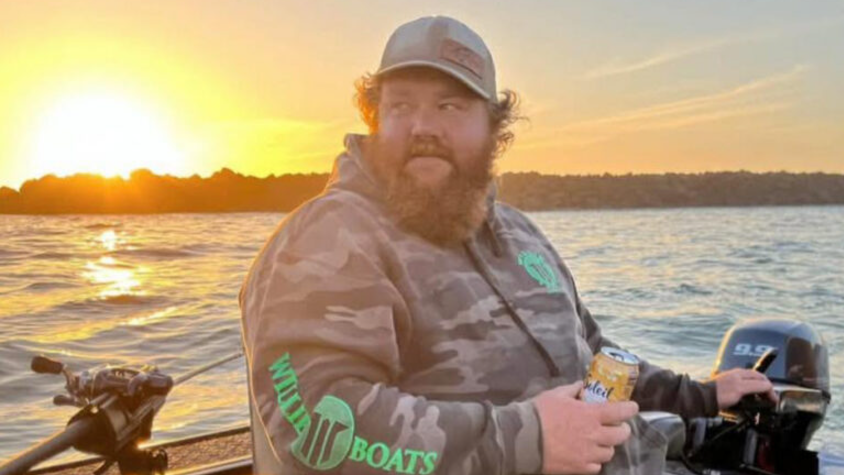
Meet your Guide Josh Terry
- Rogue River Fishing Guide | Gold Beach


Summary
Join a guided fishing trip on the Rogue River in Gold Beach, Oregon, where anglers target salmon in one of the Pacific Northwest's premier fishing destinations. On Thursday, June, this guided experience showcases the rewarding challenge of salmon fishing in productive river waters.
Guided Salmon Fishing with Josh Terry - Rates & Booking
Guide Josh Terry of Chasin' Tails Guide Service operates on Thursday, June in Gold Beach. This guided fishing trip targets salmon in the productive waters of the Rogue River, where anglers experience the excitement of landing strong, hard-fighting fish. Josh brings local expertise to help anglers understand salmon behavior, river conditions, and effective techniques for this challenging fishery.
Contact Chasin' Tails Guide Service to inquire about rates, group size, and available dates for your salmon fishing adventure. Josh can accommodate anglers of various experience levels and will provide guidance on what to expect during your river outing.
Highlights of Rogue River Salmon Fishing
The Rogue River is renowned for its healthy salmon populations and stunning coastal Oregon scenery. When conditions align, anglers can experience multiple hookups throughout the day. The river's character changes with the season, offering different salmon species and fishing techniques depending on when you visit. Local guides like Josh understand these seasonal patterns and position anglers where success is most likely.
Fishing from a boat provides access to prime holding areas where salmon gather. The experience combines the thrill of detecting subtle strikes, the physical challenge of fighting powerful fish, and the satisfaction of landing a trophy. The Rogue River environment, surrounded by forested banks and dramatic geology, creates a memorable setting for pursuing one of the Pacific Northwest's most iconic fish.
Local Species Insights: Salmon on the Rogue River
Salmon are anadromous fish, meaning they migrate from the ocean into freshwater rivers to spawn. The Rogue River receives multiple salmon runs throughout the year, including spring and fall chinook salmon and coho salmon. Each species exhibits distinct behavior patterns and responds to different water conditions and presentation techniques.
Salmon use their powerful bodies and instinctive aggression to navigate upriver against current and obstacles. When hooked, they employ aerial displays, powerful runs, and head shakes to attempt escape. This fight is what makes salmon fishing so valued by anglers. Understanding where salmon hold in the river - typically behind rocks, in deeper pools, and near structure - is key to consistent success.
River conditions dramatically influence salmon behavior. High water from recent rainfall can trigger feeding and movement, while clear, low water may require more finesse in presentation. Water temperature also affects salmon activity, with warmer months generally producing faster action. Local guides monitor these variables daily and adjust tactics accordingly, increasing the chances of connecting with fish.
The salmon lifecycle is remarkable. Fish that began in river gravels spend years in the ocean growing to impressive size. When environmental triggers signal it's time to return, they cease feeding and begin their journey home. This transition makes them challenging to catch at times but also creates the possibility of landing 20, 30, or even 40-pound fish in rivers like the Rogue. The combination of these massive, powerful creatures and the river environment creates genuine excitement for anglers.
Plan Your Salmon Fishing Day
A typical salmon fishing outing begins early to take advantage of prime morning conditions when fish are most active. You'll board a boat designed for river navigation, equipped with casting platforms and organized tackle storage. Throughout the day, you'll move to different locations based on water conditions and where Josh believes salmon are holding.
The physical demands vary based on water conditions and fish activity. You'll be casting repeatedly, which builds stamina throughout the day. When salmon strike, the adrenaline surge and physical challenge of fighting a strong fish provides genuine engagement. Bring appropriate layers for changing weather and be prepared to get wet.