%2Ffit-in%2F250x250%2Fguide_websites%2F180021%2Fimages%2F1783723531282screenshot_11-7-2026_64516_.jpeg&w=1920&q=100)
/users/238e933c-6625-4b20-840f-b63c3f5de0d9/ratecard/2-mqu4qlwy.jpg)
%2F300x300%2Fusers%2F238e933c-6625-4b20-840f-b63c3f5de0d9%2Fratecard%2F2-mqu4qlwy.jpg&w=256&q=75)
%2F300x300%2Fusers%2F238e933c-6625-4b20-840f-b63c3f5de0d9%2Fimages%2Fgold-beach-chinook-salmon-catch-2527.png&w=256&q=75)
%2F300x300%2Fusers%2F238e933c-6625-4b20-840f-b63c3f5de0d9%2Fimages%2Fgold-beach-chinook-salmon-catch-2551.jpg&w=256&q=75)
%2F300x300%2Fusers%2F238e933c-6625-4b20-840f-b63c3f5de0d9%2Fimages%2Fgold-beach-chinook-salmon-catch-2562.jpg&w=256&q=75)
%2F300x300%2Fusers%2F238e933c-6625-4b20-840f-b63c3f5de0d9%2Fimages%2Fgold-beach-chinook-salmon-catch-2557.jpg&w=256&q=75)
%2F300x300%2Fusers%2F238e933c-6625-4b20-840f-b63c3f5de0d9%2Fimages%2Fgold-beach-chinook-salmon-catch-2528.jpg&w=256&q=75)
%2F300x300%2Fusers%2F238e933c-6625-4b20-840f-b63c3f5de0d9%2Fimages%2Fgold-beach-chinook-salmon-catch-2633.jpg&w=256&q=75)
%2F300x300%2Fusers%2F238e933c-6625-4b20-840f-b63c3f5de0d9%2Fimages%2Fgold-beach-chinook-salmon-catch-2520.jpg&w=256&q=75)
%2F300x300%2Fusers%2F238e933c-6625-4b20-840f-b63c3f5de0d9%2Fimages%2Fchinook-salmon-gold-beach-catch-2561.jpg&w=256&q=75)
%2F300x300%2Fusers%2F238e933c-6625-4b20-840f-b63c3f5de0d9%2Fimages%2Fgold-beach-chinook-salmon-catch-2613.jpg&w=256&q=75)
%2F300x300%2Fusers%2F238e933c-6625-4b20-840f-b63c3f5de0d9%2Fimages%2Fgold-beach-chinook-salmon-catch-2573.jpg&w=256&q=75)
Full Day Rogue River Power Boat Fishing Oregon
 Rogue River
What you will be catching:
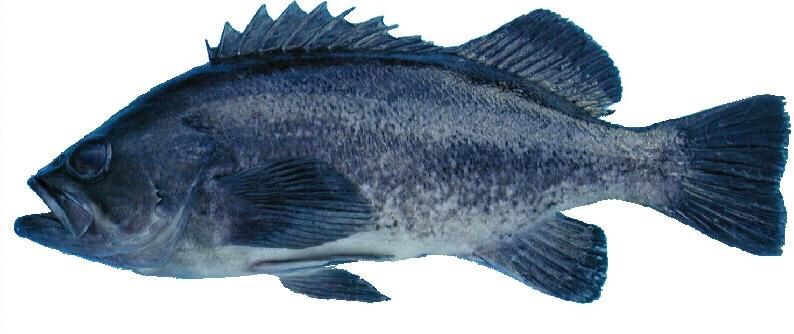 Blue Rockfish
 Chinook Salmon
 Coho Salmon
 Lingcod
 Steelhead Trout
- Full-day salmon and steelhead fishing with expert Captain Josh Terry
- 23-foot Willie Predator vessel accommodates up to 6 anglers total
- Over 20 years local experience targeting multiple Pacific Northwest species
Trip Pricing and Availabilities:
Full Day Rogue River Power Boat Fishing
Ready to fish one of Oregon's most legendary rivers? Josh Terry's full-day shared trip on the Rogue puts you right in the action aboard his 23-foot Willie Predator. This isn't some touristy float – you're looking at 8 solid hours chasing salmon and steelhead in waters that have made careers and broken hearts for decades. With room for up to 6 anglers, you'll share the boat with fellow fishing enthusiasts while Josh works his magic on some of the most productive stretches of the Rogue. Fair warning: start times hit early, typically between 5:00 and 7:00 AM, because that's when the fish are moving and the crowds haven't hit the water yet.
What to Expect on the Water
Josh has been running these waters for over 20 years, and it shows in every spot he hits and every technique he shares. The Rogue River isn't just scenic – it's a fish factory when you know where to look. You'll cover serious water in that Willie Predator, hitting the deep holes where Chinook stage up, the rocky shelves where steelhead patrol, and the structure that holds lingcod and rockfish when salmon season winds down. This is shared fishing at its best, meaning you'll meet other serious anglers while keeping costs reasonable. Josh provides the local knowledge, proven techniques, and boat handling skills that turn good days into great ones. Don't forget your Oregon Fishing License and Salmon/Steelhead Tag – they're required, and Josh won't be able to take you out without them.
Proven Techniques & Gear
The Rogue demands versatility, and Josh's approach reflects that. Depending on what's running, you might be pulling plugs through the classic holes, bouncing eggs along the bottom structure, or working spinners through the current breaks. The Willie Predator handles like a dream in the Rogue's variable conditions – shallow enough to access the upper reaches but stable enough when the wind picks up downriver. Josh keeps his tackle dialed in for whatever's biting, from the heavy gear needed for monster Chinook to the lighter setups that make steelhead fights memorable. He'll teach you to read the water, position your offerings where fish actually live, and handle the boat positioning that separates successful trips from just another day on the river. The techniques you learn here work on rivers throughout the Pacific Northwest.
Top Catches This Season
Chinook salmon are the kings of the Rogue for good reason – these fish average 15-30 pounds, with occasional monsters pushing 40-plus. They're strongest during fall runs, typically September through November, when they're fresh from the ocean and loaded with attitude. What makes Chinook special here is how they use the river's structure. They'll hold in deep pools during the day and move into shallower water to feed, giving you multiple presentation opportunities throughout the trip. The fight is pure power – long runs, head shakes, and enough strength to test your drag system.
Coho salmon bring a different energy to the Rogue experience. Smaller than Chinook at 8-12 pounds, they make up for size with aerial displays that'll have you whooping. Peak Coho action typically runs from late August through October, and these fish are aggressive feeders. They'll hit spinners, spoons, and plugs with authority, then spend the fight trying to throw your hook with jumps and tail-walking that never gets old. Josh knows the Coho holes intimately – those mid-depth runs where they stage before pushing upriver.
Steelhead trout are the reason many anglers become obsessed with the Rogue. These sea-run rainbows return year-round, but winter runs from December through March offer the best action. At 6-15 pounds, they're built for speed and endurance. Steelhead fight differently than salmon – think long, sustained runs followed by explosive jumps. They're also the most selective, requiring precise presentations and natural drifts. When you connect with a fresh steelhead in the Rogue's current, you'll understand why people plan their entire year around these trips.
Blue rockfish and lingcod add variety when you're working the lower river sections. Rockfish are scrappy fighters that hit hard and pull steady, typically running 2-8 pounds. Lingcod bring serious attitude – these toothy predators can exceed 20 pounds and fight with surprising strength for a bottom fish. Both species are available year-round, making them reliable backup options when salmon runs slow down. Josh targets them around rocky structure and deeper holes where they ambush baitfish.
Time to Book Your Spot
The Rogue River doesn't wait for anyone, and neither do the fish. Josh's shared trips offer world-class fishing at a fraction of private charter costs, but spots fill up fast during peak seasons. Whether you're chasing fall Chinook, winter steelhead, or just want to experience one of Oregon's most renowned fishing destinations, this trip delivers the goods. You're not just buying a fishing trip – you're getting two decades of local knowledge, proven techniques, and access to water that produces year after year. Ready to see why the Rogue has legendary status among Pacific Northwest anglers? Contact Chasin' Tails Guide Service and get your name on the list. The fish are there – now it's your turn to go catch them.
Learn more about the species
Blue Rockfish
Blue rockfish are schooling bottom dwellers that provide consistent action when salmon fishing slows down. These oval-shaped fish range from blue-black to grayish-blue with some mottling, and they're smaller-mouthed than other rockfish species. Most run 12-18 inches and a couple pounds, though they can reach 21 inches. You'll find them over rocky reefs, kelp beds, and pinnacles from shallow water down to 300+ feet. They school up with other rockfish species but can move quickly, so when you find them, work fast. March through December offers the best fishing due to seasonal closures. What's great about blue rockfish is they're eager biters and excellent table fare with white, flaky meat. They feed mainly on plankton and small crustaceans. Key tip: use octopus-style jigs tipped with squid strips, and make sure you have enough weight to stay on bottom where they feed.
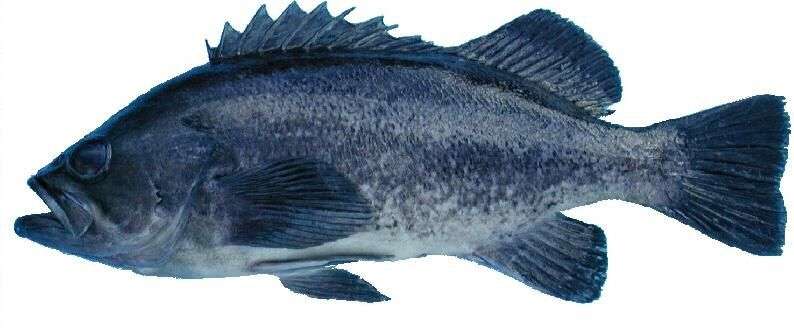
Chinook Salmon
Chinook salmon, or "kings," are the trophy fish every angler dreams about on the Rogue. These are the largest salmon species, typically running 15-30 pounds with some pushing 40+ pounds. They've got silver sides, blue-green backs, and distinctive black spots on their head, back, and all fins - plus black gums that help identify them. Kings prefer deeper water and structure since they're light-sensitive, so we target the deeper holes and drop-offs. Prime time runs from late spring through fall depending on the run timing. What makes chinook special is their bulldogging power and that incredible red-orange meat that's perfect for the grill or smoker. These fish have spent years in the ocean bulking up, so they'll test every knot and your drag system. Pro tip: fish early morning or evening when they're most active, and don't be afraid to get your bait or lure down deep where they're holding.
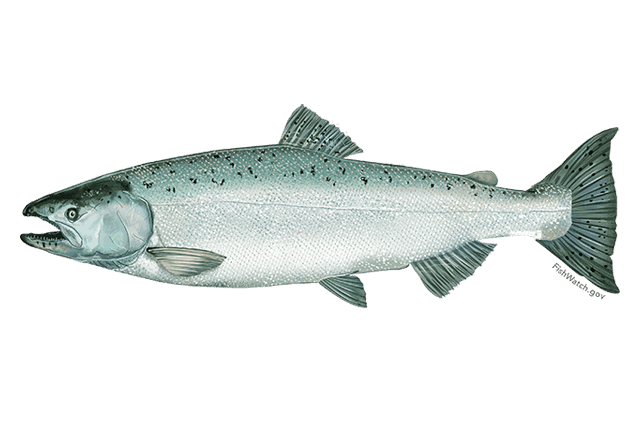
Coho Salmon
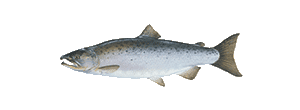
Coho salmon, also called silver salmon, are some of the most acrobatic fish you'll hook on the Rogue. These 8-12 pound fighters are known for their aerial displays and stubborn runs. They've got that classic silver body with black spots on their backs and tail - beautiful fish. During their spawning phase, they develop darker, reddish sides. You'll find them in the deeper pools and current breaks, especially where the river connects to tidal water. Fall through early winter is prime time when they're fresh from the ocean and full of fight. What makes coho special is their willingness to jump - sometimes 6 feet straight up. The meat is bright orange and tastes fantastic. Pro tip: when you're swinging spinners through the deeper runs, let them work all the way to the bank. Coho often follow before they strike.
Lingcod
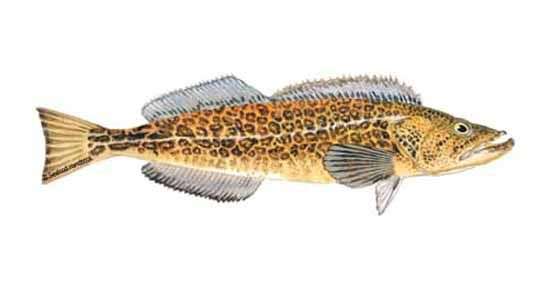
Lingcod are the gnarly bottom predators that'll give you nightmares - in the best way possible. These aren't true cod but greenlings with massive heads, wicked sharp teeth, and mottled brown-green coloring that helps them ambush prey. They typically run 15-30 pounds, but females can hit 50+ pounds. You'll find them in 30-300 feet of water around rocky reefs and structure where they lay motionless waiting to attack anything that fits in their huge mouths. They're catchable year-round, but spring and summer offer the most consistent action. What makes lingcod awesome is they're aggressive fighters that won't back down, plus the meat is white, flaky, and delicious. They're also cannibalistic and will eat their own kind. Pro tip: once you hook one, don't let up pressure - they'll try to wrap you around rocks and kelp. Heavy jigs bounced right on bottom near structure work best.
Steelhead Trout
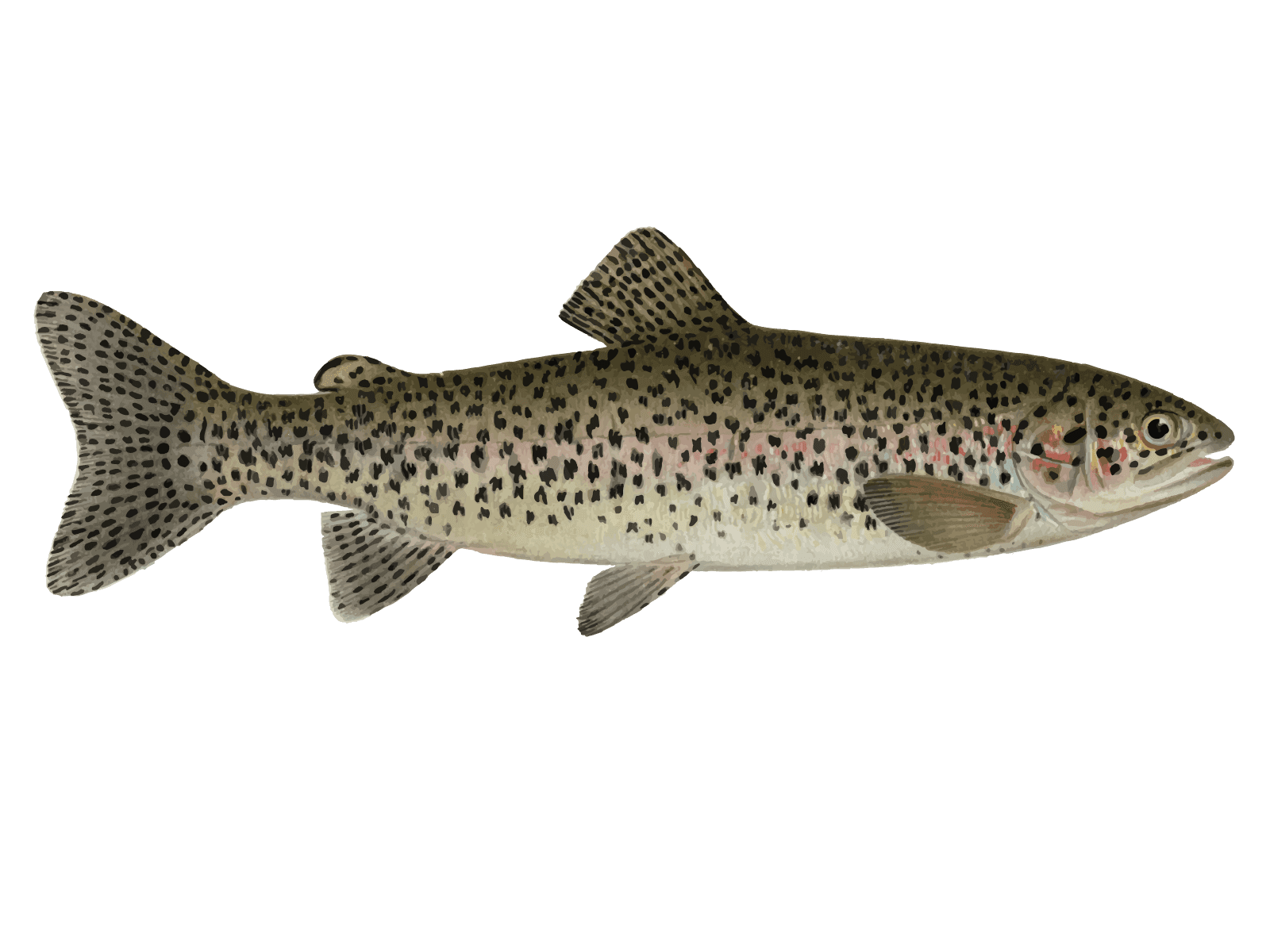
Steelhead are sea-run rainbow trout that spend 2-3 years in the ocean before returning to spawn - and they're absolute brutes because of it. These silver torpedoes typically run 24 inches but can push 40+ and weigh up to 20 pounds. Unlike their rainbow cousins that stay in freshwater, steelhead develop that distinctive silvery color with black spots from their ocean time. They love deeper holes with good cover - fallen trees, boulders, undercut banks. Best fishing runs from mid-fall through spring when they're moving upriver. What gets anglers hooked is their incredible stamina and long runs - they'll test your drag and patience. The meat is firm and excellent eating too. Unlike salmon, steelhead can survive spawning and return to sea multiple times. My go-to technique is drifting roe or jigs through the deeper slots where they rest during their upstream journey.
About the Willie Predator
%2F%2Fusers%2F238e933c-6625-4b20-840f-b63c3f5de0d9%2Fvehicle_picture%2Fjoshterrypowerboat-mqu3xdsp.jpg&w=1920&q=75)
Vehicle Guest Capacity: 6
Manufacturer Name: Mercury
Maximum Cruising Speed: 45
Number of Engines: 1
Horsepower per Engine: 225